

City Center SUP Board Tour
Tour Overview
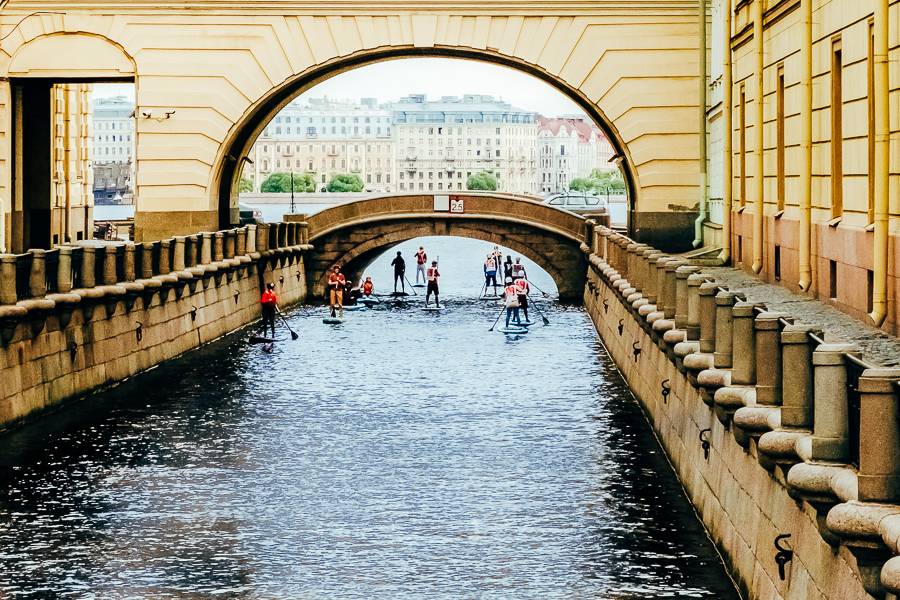
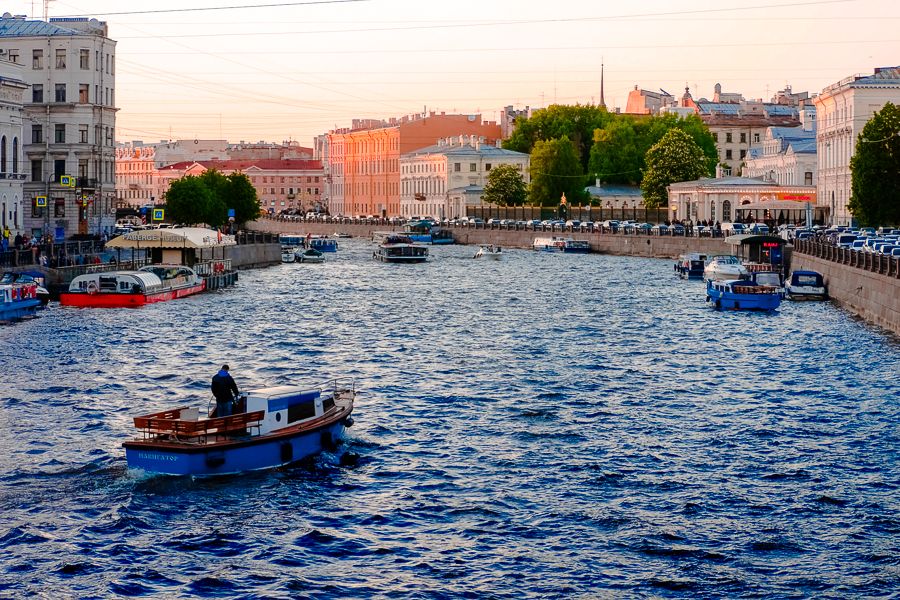
Start your day by the stand up paddleboarding guided tour in the central rivers and canals of St Petersburg. Experienced instructors will teach you SUP basics if required. During the tour you will be able to see St Petersburg from the water front. The tour will take 1.5 hours of paddling. You will be accompanied by the instructor and guide. Take unbeaten the pictures of magnificent embankments and buildings.
- Price €50
- Group Price per person
- Duration 1,5 hours
- Transportation By SUP surf
- Activity level High
Tour Highlights
- Empty city (tour starts before 8 am until the navigation starts)
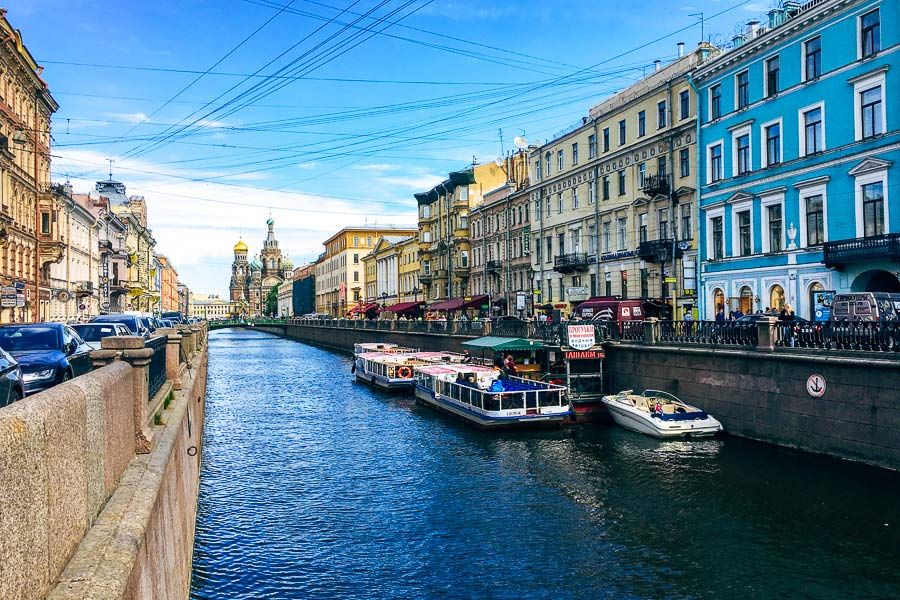
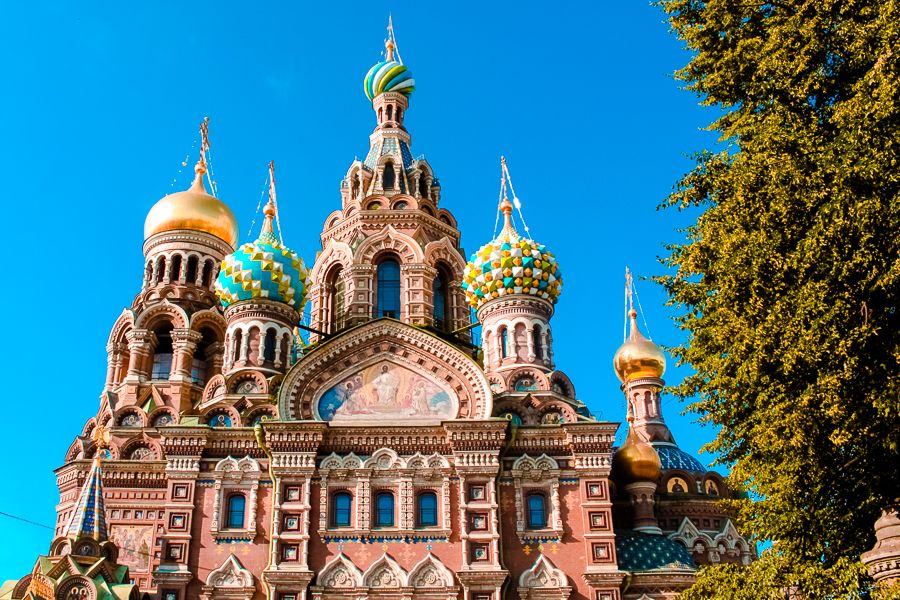
- Saviour on the Spilt Blood
- Rivers and Canals of St Petersburg
Included
- SUP board
- English-speaking guide
- SUP boarding instructions
- Helmet and life vest
Savior on the Spilt Blood
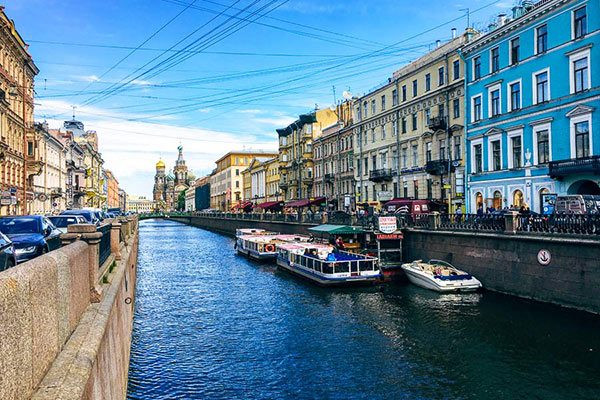
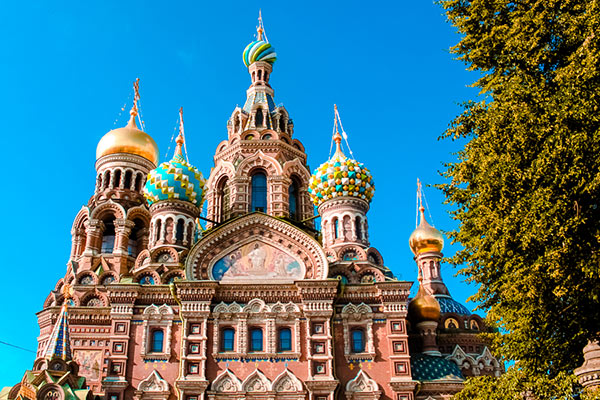
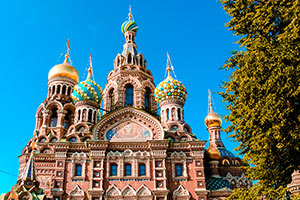
Savior on the Split Blood (arch. Parland, 1883-1907) was built exactly over the place where on 1 March, 1881 happened the terrorist attack to emperor Alexander the second. On the following day after the assassination, a chapel was built over Alexander II’s blood to commemorate the event, and, later, the construction of this church began. It was to become a memorial to Tsar the Liberator, so it took a long time to discuss, adopt and realize the project.
The main idea was that the church was supposed to be in the Russian style: colorful brickwork, traditional onion shaped domes and a lot of mosaics. So it took more than 20 years to constructed In 1907 it was consecrated as the Church of the Resurrection of the Saviour but later it became known as The Church on the Spilled Blood. In the 1990s it was restored and now it is a museum. The church is best known for its wonderful mosaics which covers it outside and inside. The mosaics cover 7065 square meters of church’s interiors (nearly like a football field)
Moika River
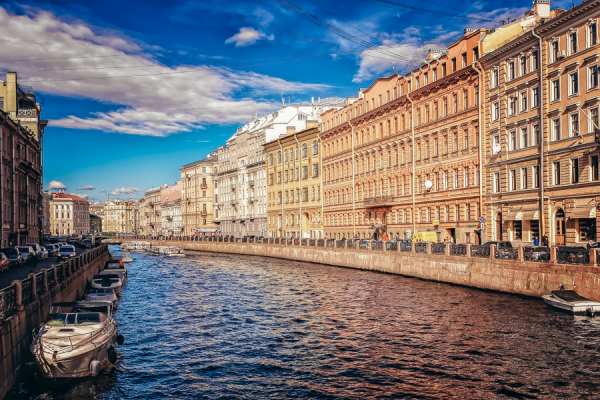

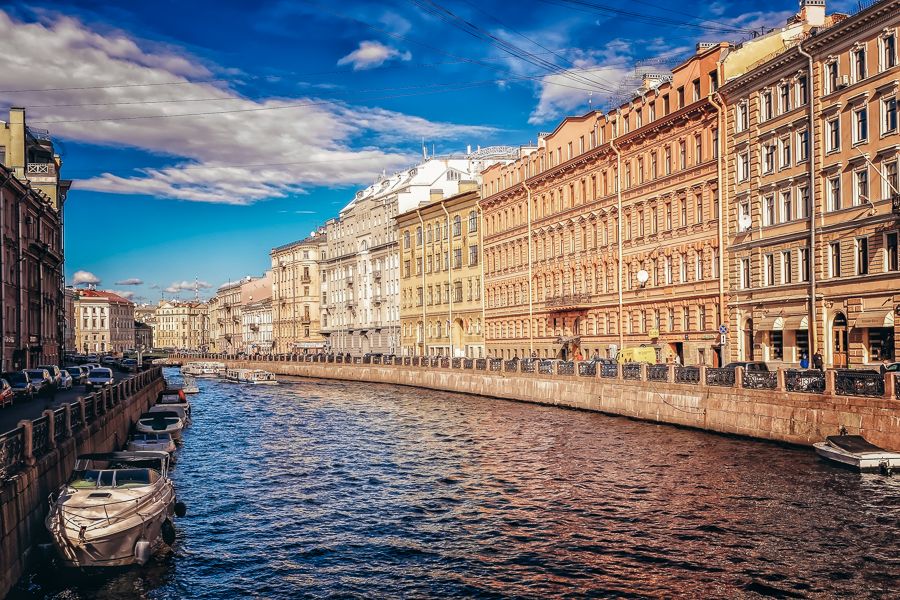
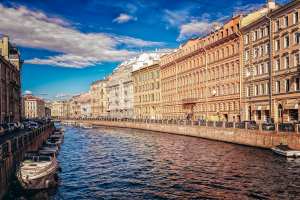
The Moika River is one of the major rivers of St Petersburg center. It is 4.7 km long, 20 to 40 m wide and 2, 3 to 3, 2 m deep). The name of the river Moika has at least two meanings: Moika in Russian means washing: in the old times the women, who lived in the area close to the river, used to do their washing in the river. However, historians say that the word Moika originates from the Finnish word Muja, which means dirty.
The Moika flows through the old part of the city. The earliest houses built on the river banks were small wooden dwellings of naval officers and shipbuilding workers. By the middle of the 19th century the embankments of the Moika River became one of the most prestigious parts of the capital city. St. Petersburg aristocracy, distinguished people of the time and high ranking merchants were building their palaces and mansions along the river.
Chizhik-Pyzhik
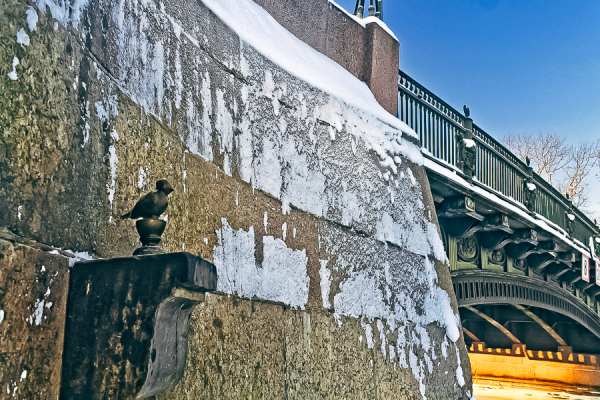
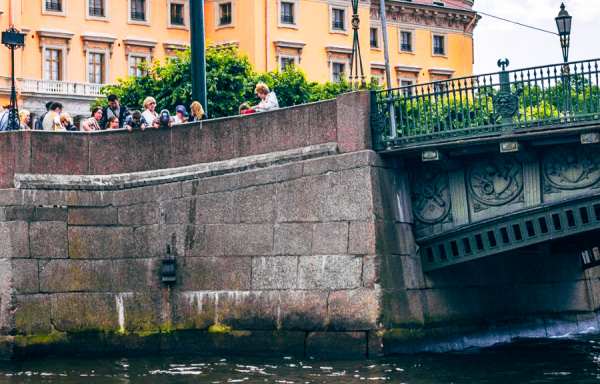
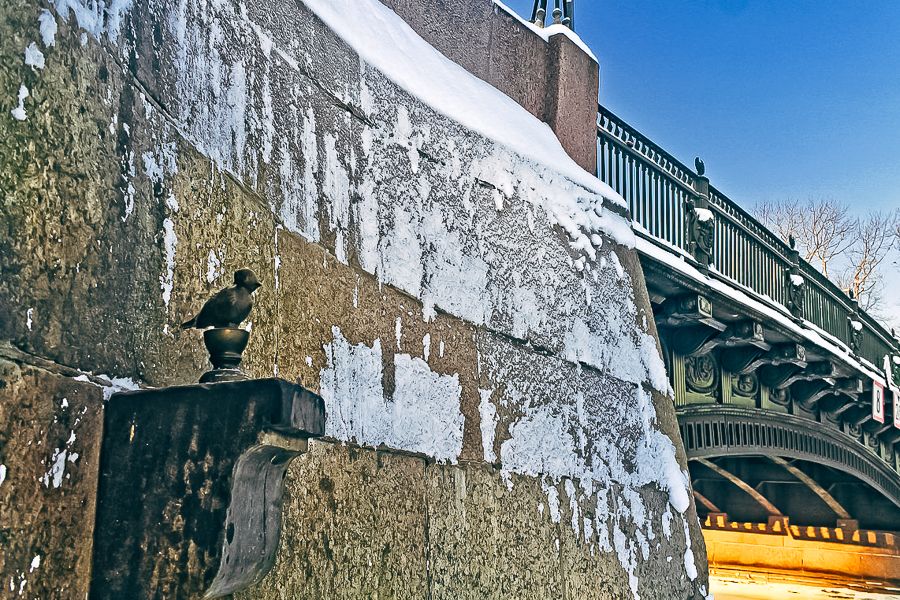
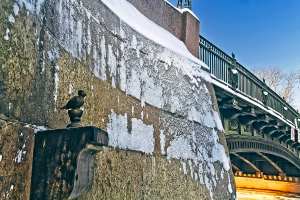
Chizhik-Pyzhik is one funniest monuments of the city. It is a tiny bird chizhik (siskin) sitting on the small ledge of the granite lay of the embankment of Fontanka river. Located in the very heart of St Petersburg near Summer Garden and Engineers castle this tiny attracts a lot of people who a trying to hit its ledge with the coin. Because it is believed that if you are able to do it your wish will come true.
Fontanka River
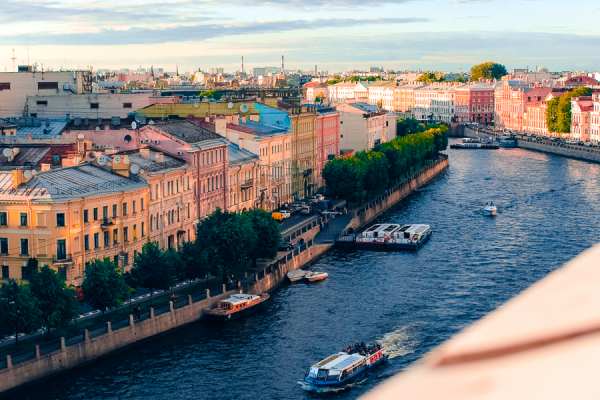
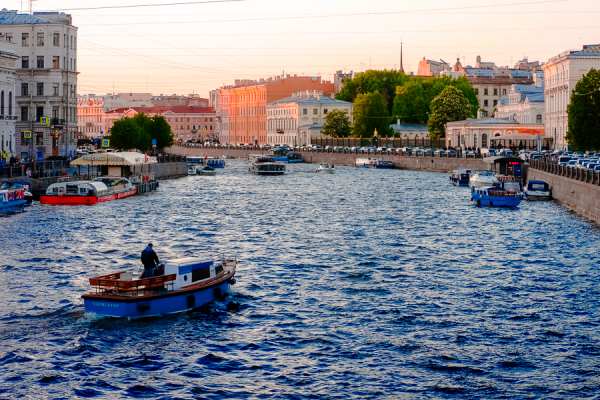
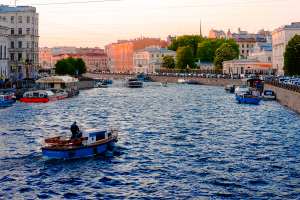
The Fontanka is 6, 7 km long, 35-70 m wide and 2, 6-3, 5 m deep. It flows out and into the Neva river. The river was the city’s boundary till the middle of the 18th century. The left bank was a forest, which was notorious for the robbers who mugged passers-by and travelers, so the owners of the country houses on the left bank were ordered to cut down the forest around their estates to keep the robbers from hiding there. The river’s embankments were faced with granite at the time of Catherine the Great. In 1887 the first regular river steamboats started to run down the Fontanka River.
The Summer Garden
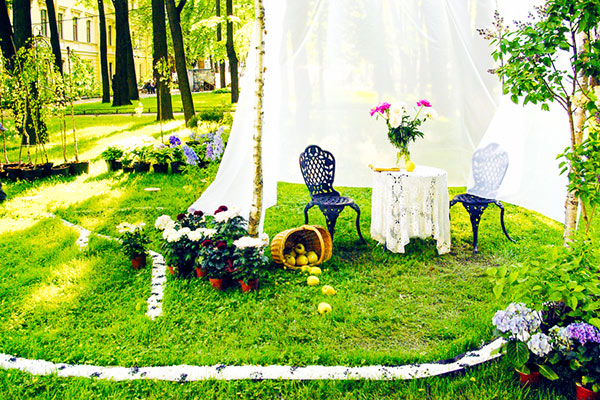
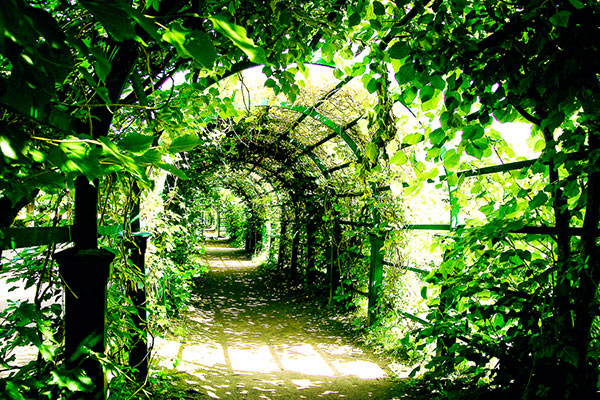
The Summer Garden is the first regular and the first public park of St Peterburg. It was founded in the early XVIII century by Peter the Great. Originally it was designed like regular French park decorated with white marble statues and fountains. Later a beautiful fence was added to the Neva facing side of the Garden. Recently a great reconstruction took place in the park and historical features of XVIII were returned.