

9 Hours Tour
Tour Overview
Experience visiting the main attractions of St Petersburg. Start your day by visiting the Hermitage which is ranking top 5 museums in the world accompanied by an experienced English speaking guide. Take a general overview of the Hermitage collection in the main museum complex and also make a visit to General Head staff building with the vast collection of the French impressionists. After the lunch you will have a tour of Peter and Paul’s fortress. The place where St Petersburg was found. In addition, you will have a visit to Peter and Paul’s Cathedral the burial place of Russian emperors. And enjoy the private orthodox singing. You will end your day by visiting Savior on the Spilt blood cathedral – one of the most remarkable spots of St Petersburg with its interior and exterior extremely reach decorated with mosaic.
- Price €300
- Group up to 7 persons
- Duration 9 hours
- Transportation By car
- Activity level High
- Unavailable on Monday & Wednesday
Tour Highlights
- The Winter Palace – the former residence of the Russian tzars
- The collection of French impressionists in General head staff building
- Peter and Pauls fortress, the place where the city was founded
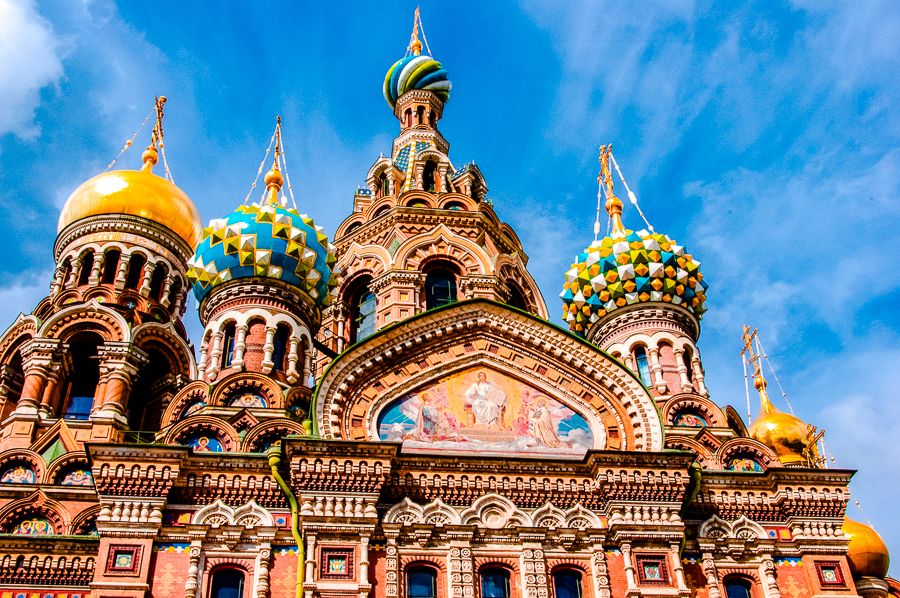
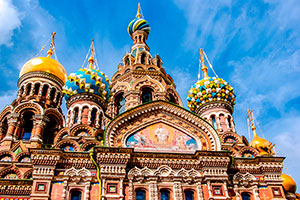
- Mosaics of Savior on the Spilt Blood Cathedral
Included
- English-speaking guide for 9 hours
- Transportation
- Tickets to Hermitage Museum
- Tickets to Peter and Pauls Cathedral
- Tickets to Savior on the Spilt Blood Cathedral
The Hermitage
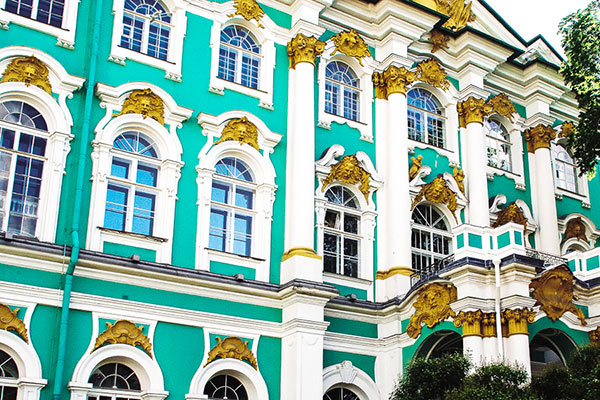
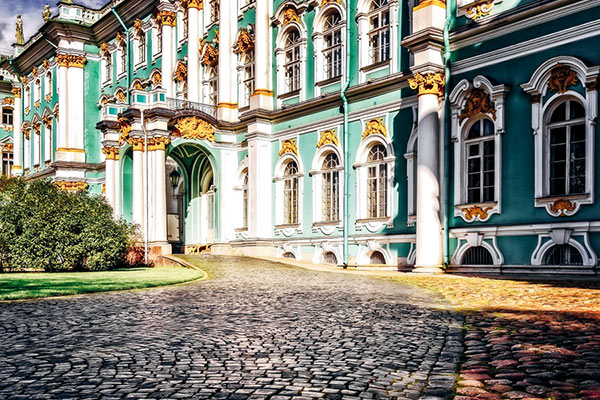
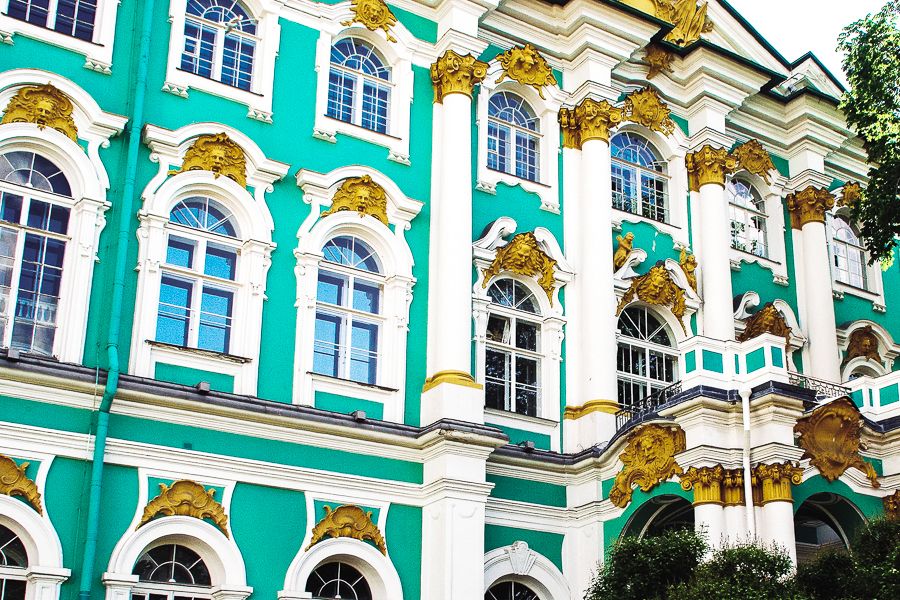
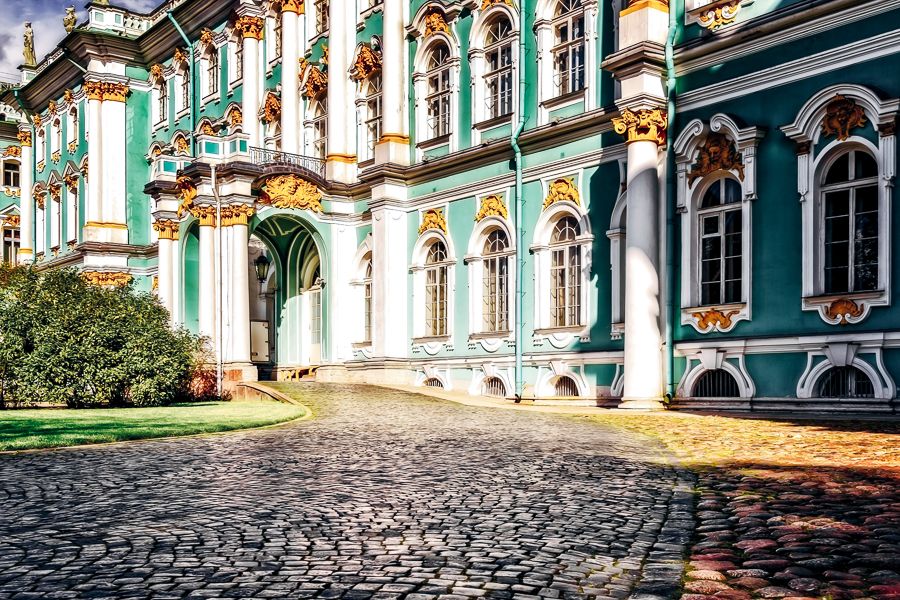
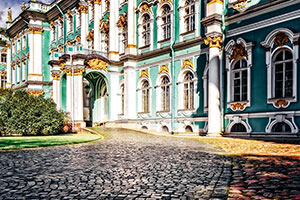
The State Hermitage Museum is one the greatest museums in the world. It is famous not only for its enormous collection of art from all over the world from ancient times to nowadays, but also for its rich history and unique interior decorations. The history of the Hermitage dates back to the middle of the 18th century. In 1764 Catherine the Great bought 225 paintings by West European masters and, for the display of the collection, a small building was constructed next to the Winter Palace on the Neva River Embankment.
Catherine the Great called it the Hermitage. It is a French word L'Eremitage which means solitary place. Since that time the collection was growing all the time, new buildings were added on one after another. After the revolution of 1917 the Winter Palace, which was the residence of the Russian tsars, was nationalized and turned into a museum. Nowadays, 250 years later, the State Hermitage Museum numbers about 3 mln exhibits and it is a complex which is comprised of several buildings, five of them are interconnected and situated one next to another: the Winter Palace, the Small Hermitage, the Old Hermitage, the Hermitage Theatre and the New Hermitage.
The Collection of French Impressionists in General Staff Building
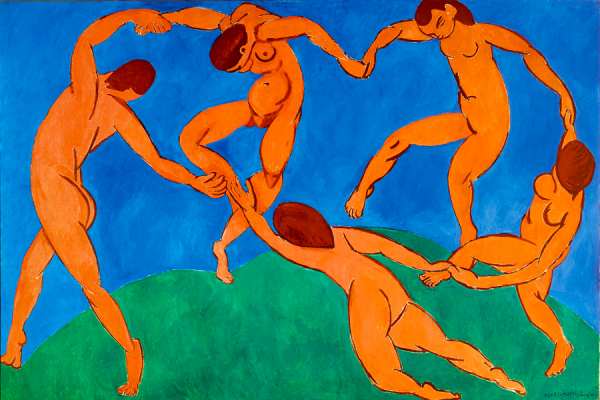
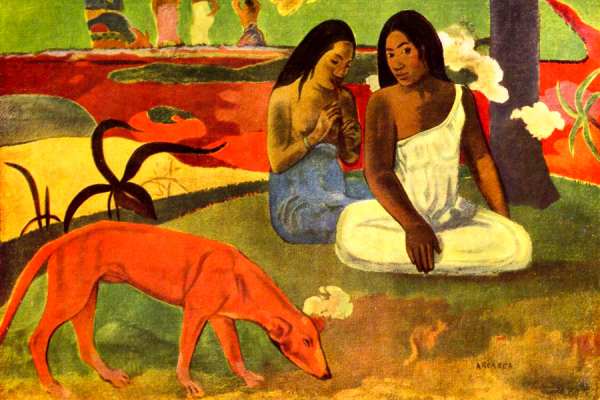
The collection of French impressionists displayed at the Hermitage's General Staff is regarded as the world's richest treasury of Impressionist and Post-Impressionist art. The collection includes masterpieces by Monet, Renoir, Cisley, Pissarro, Cézanne, Van Gogh, and many other prominent masters of the 19th and 20th centuries.
The basis of the collection is formed by the landscapes of France filled with golden rays of light and fresh air, portraits of Parisians and Paris city views as well as portraits performed by Gauguin in Polynesia
The Peter and Paul's Fortress
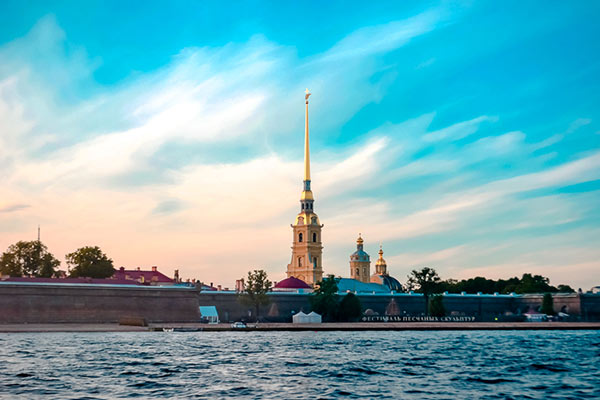
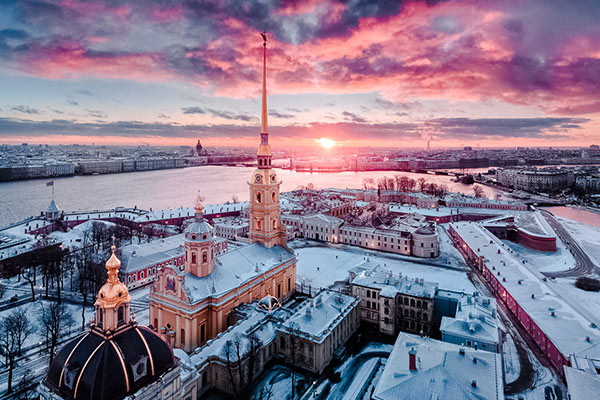
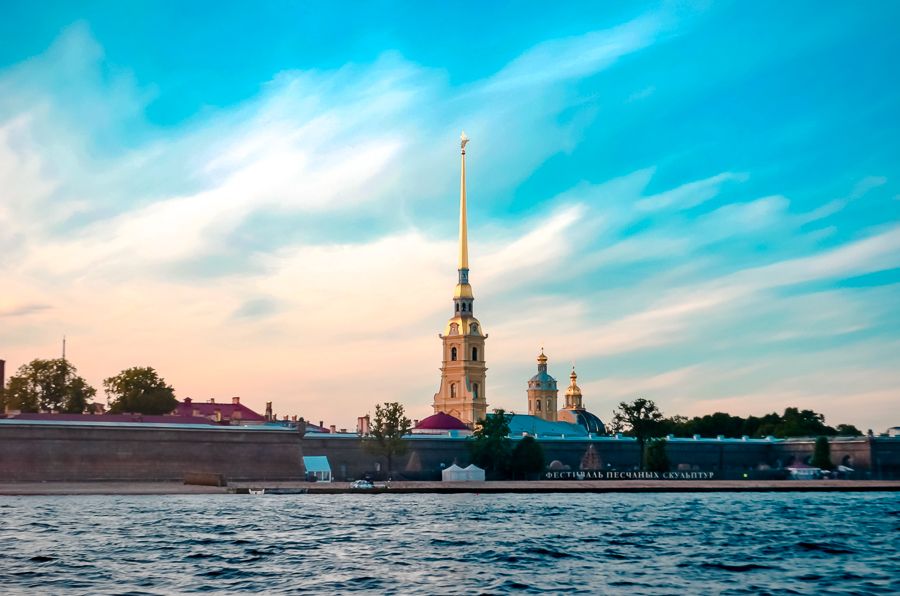
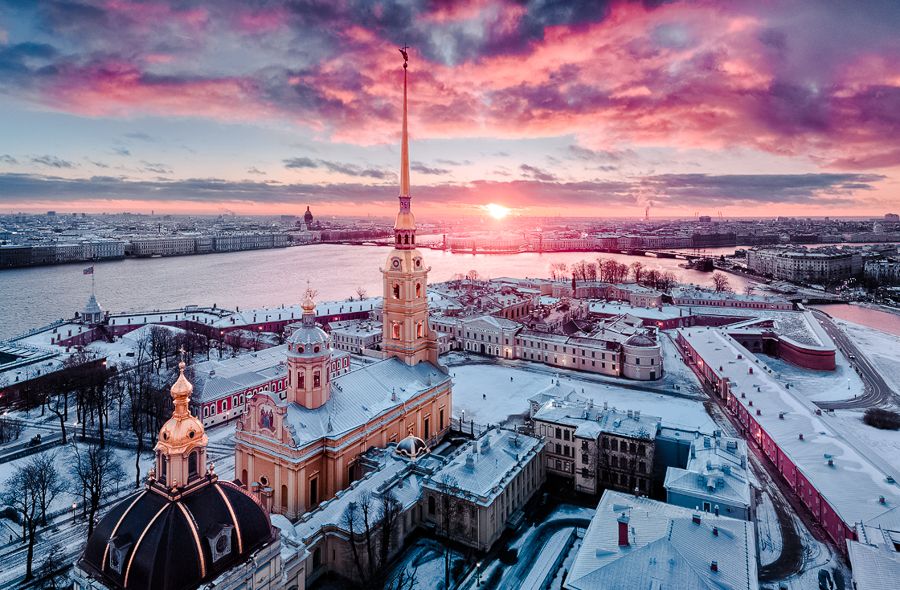
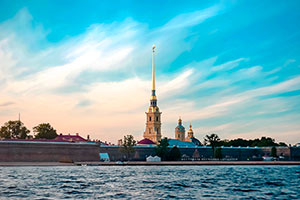
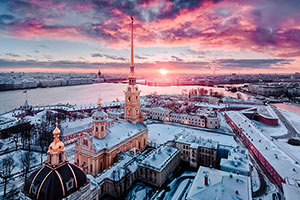
The Peter and Paul's fortress is the place where the history of St Petersburg city began. The fortress was founded in May, 1703 as Russia’s stronghold against the Swedes. In the center of the fortress there is a very tall golden spire – that is St. Peter & St. Paul’s Cathedral, one of the oldest and definitely the tallest historical building in our city – it is 122,5 meters (about 400 feet) tall. It is known not only for its interior decorations but also as the burial place of the Russian royal family. Peter the Great was the first Romanov tsar who was buried there.
Saviour on the Spilled Blood
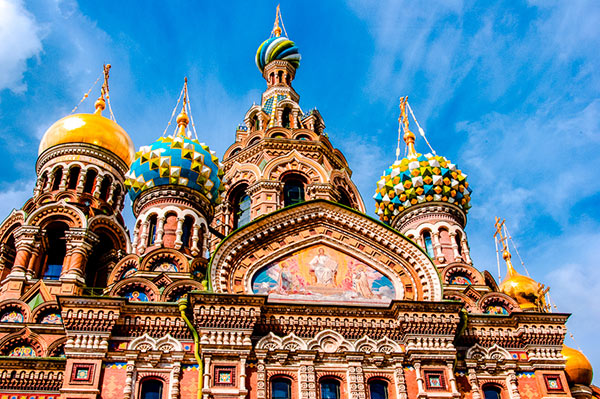
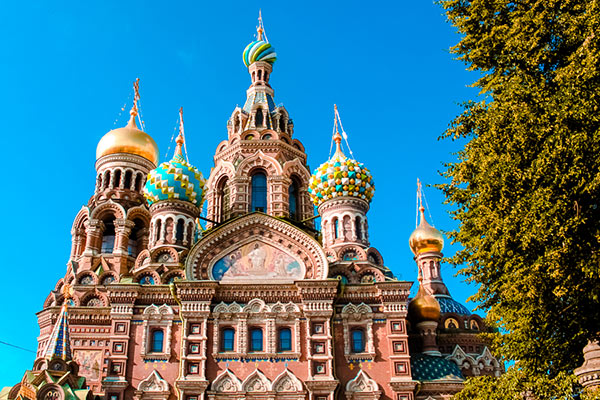
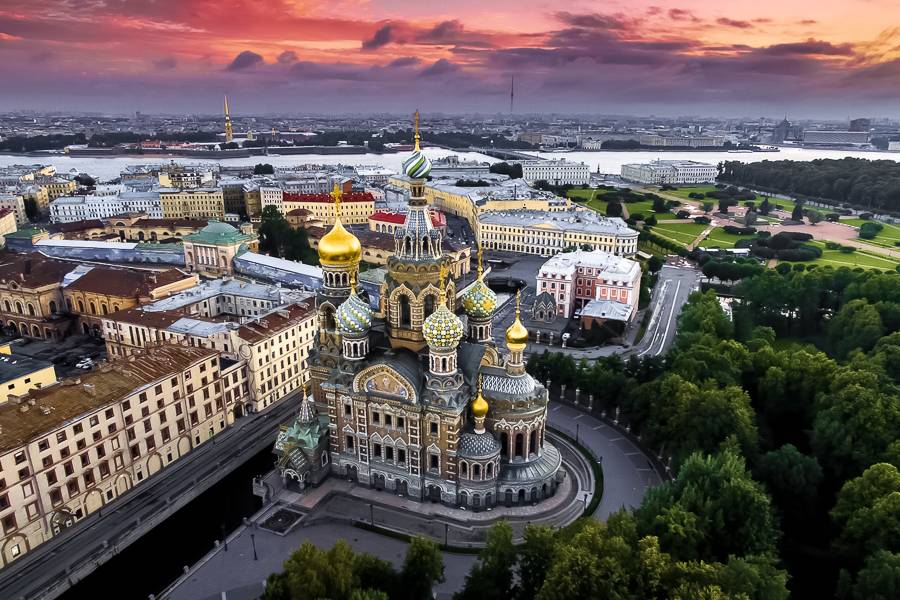
Saviour on the Split Blood (arch. Parland, 1883-1907) was build exactly over the place where on 1 March, 1881. On the following day after the assassination, a chapel was built over Alexander II’s blood to commemorate the event, and, later, the construction of this church began. It was to become a memorial to Tsar the Liberator, so it took a long time to discuss, adopt and realize the project. The main idea was that the church was supposed to be in the Russian style: colourful brickwork, traditional onion shaped domes and a lot of mosaics. In 1907 it was consecrated as the Church of the Resurrection of the Saviour but later it became known as The Church on the Spilled Blood. In the 1990s it was restored and now it is a museum.