

General Sightseeing City Tour
Tour Overview
During the tour you will be able to see all the main attractions of St. Petersburg on a comfortable transport. You will ride through the beautiful streets of city center and the magnificent embankments of the Neva river accompanied by a professional english speaking guide and learn the amazing facts about the history of St. Isaac's Cathedral, Cathedral of Kazan, the Savior on Blood
- Price €106
- Group up to 7 persons
- Duration 3 hours
- Transportation By car
- Activity level Moderate
Tour Highlights
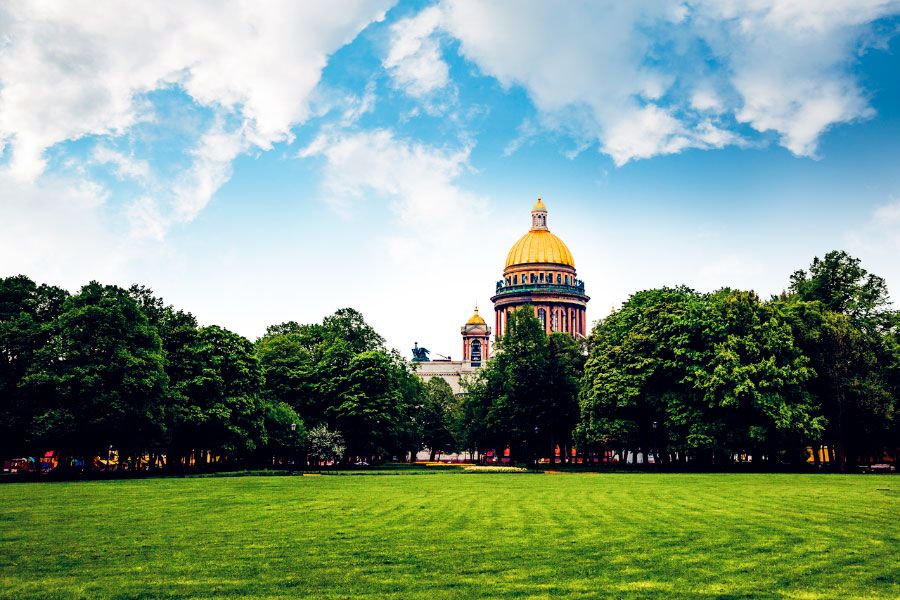
- St Isaac Cathedral
- Palace Square
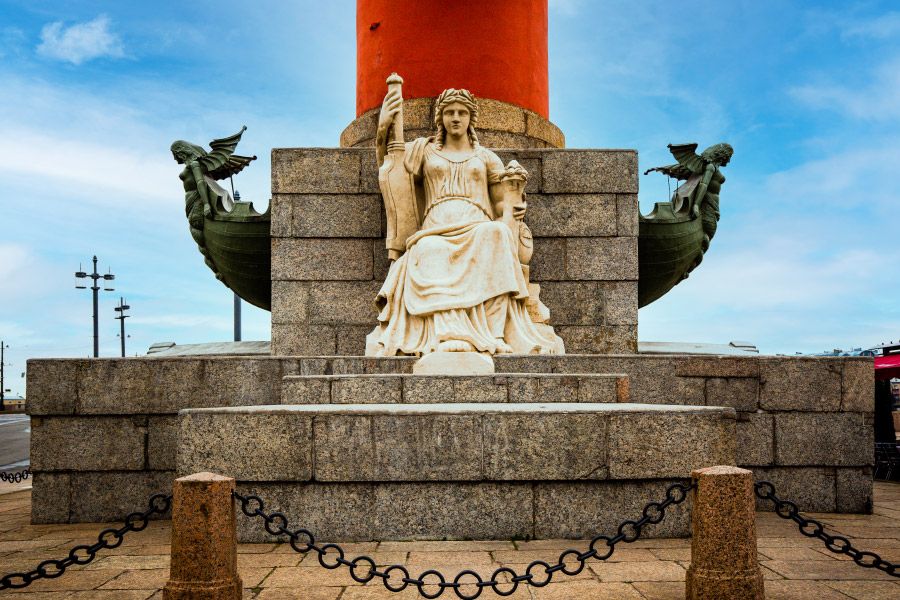
- Spit of Vasilievsky Island
- Peter and Paul's fortress
- Saviour on the Split Blood
- Nevsky Prospect
Included
- English-speaking guide for 3 hours
- Transportation by private car
- Photo Stops
Nevsky Prospect
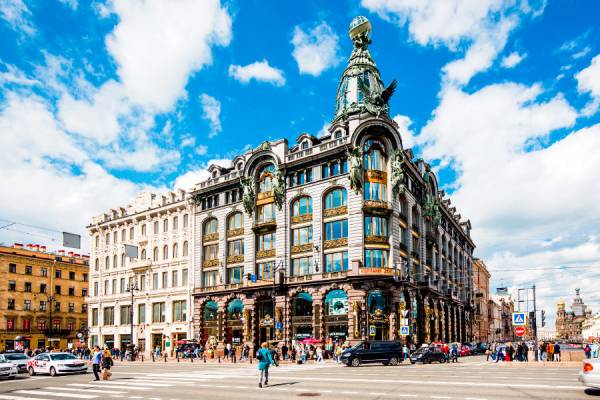
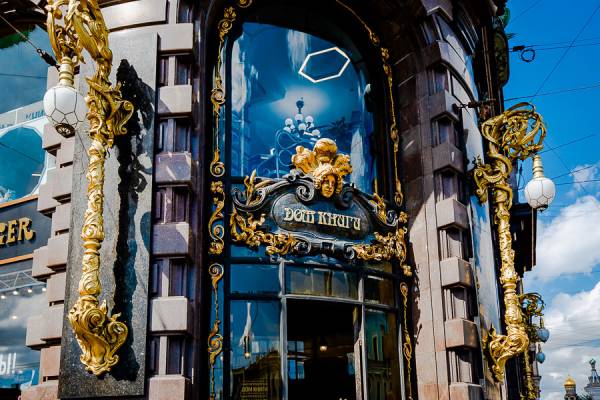
Nevsky Prospect is the main street of St. Petersburg, 4.5 km long starting from the Admiralty to the Alexander Nevsky Lavra. It crosses several rivers the Moika River by Green Bridge, the Griboyedova Canal by Kazansky Bridge and the Fontankariver by Anichkov Bridge. Its largest width is 60 m near the Gostiny Dvor (historical mall)and the minimum width is 25 m on the bridge over Moika river.
Nevsky Prospect is one of the oldest streets of St Peterburg its only 10 years younger than St Petersburg. According to the plan of Peter the Great this road was build to connect the Admiralty (the shipyard for the new fleet) with the Alexander Nevsky Monastery. The street got it recent name during the reign Catherine II - Nevsky Prospect. Walking through Nevsky prospect allows to see the life in St. Petersburg . Important cultural, entertainment, spiritual, business and shopping facilities are concentrated on Nevsky Prospect. Tourists come here to get bright fresh impressions, buy souvenirs and visit popular places.
St. Isaac Cathedral
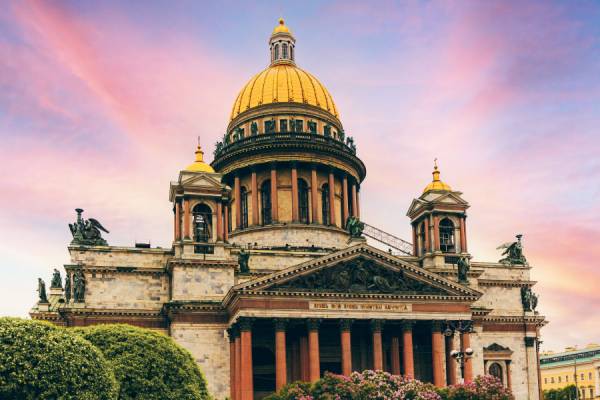
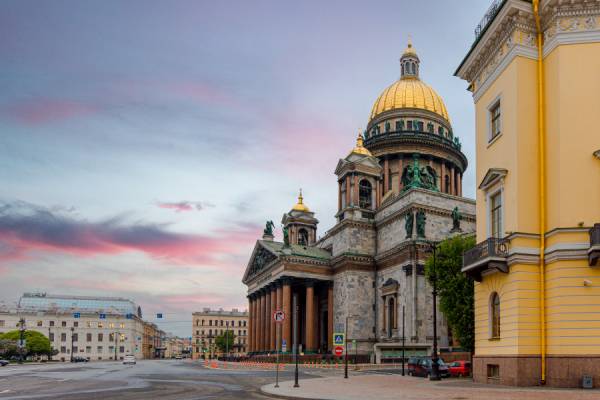
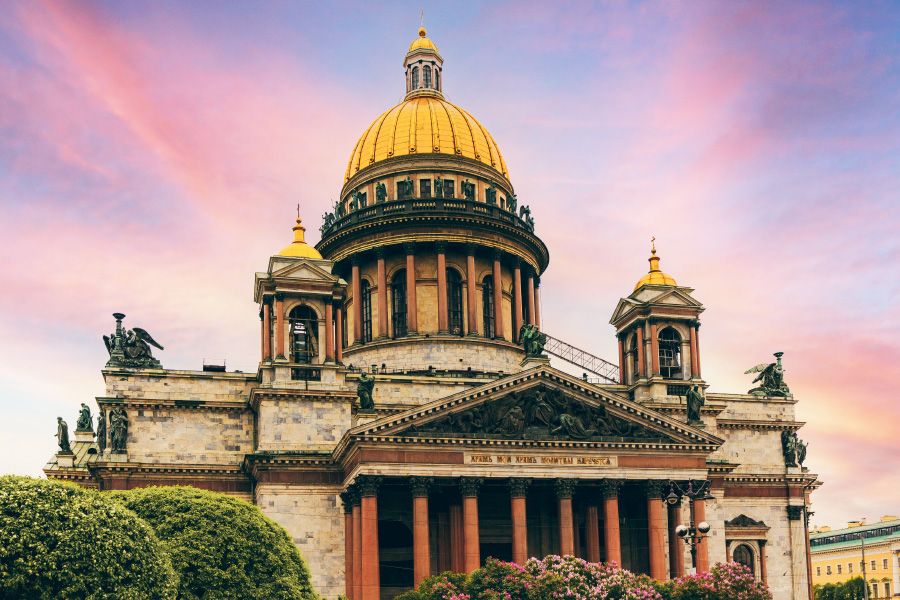
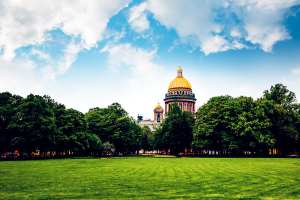
St Isaac cathedral was built in the course of forty years from 1818 to 1858. It was designed by a French architect Auguste Montferrand and it became the main Russian Orthodox Cathedral in the Russian Empire until the revolution of 1917. After the revolution the cathedral became a museum but it survived with all the interior decorations and it is considered to be one of the most richly decorated cathedrals in the world. St. Isaac’s Cathedral is 101,5 m (325 feet) tall and it has the forth tallest dome in Europe after St. Peter’s in Rome, St. Paul’s in London and Santa Maria Del Fiores in Florence.
Kazan Cathedral
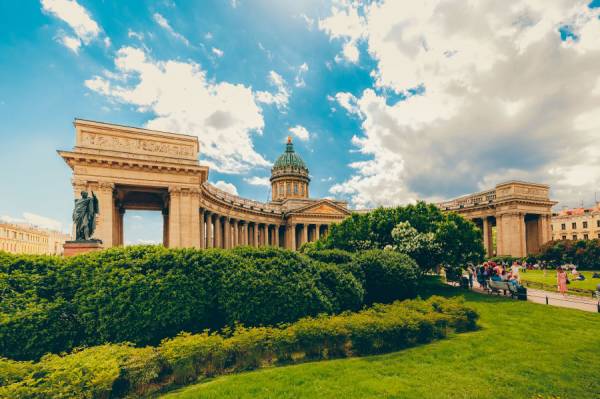
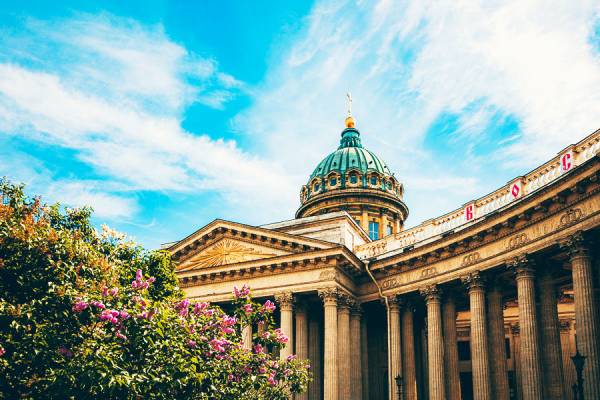
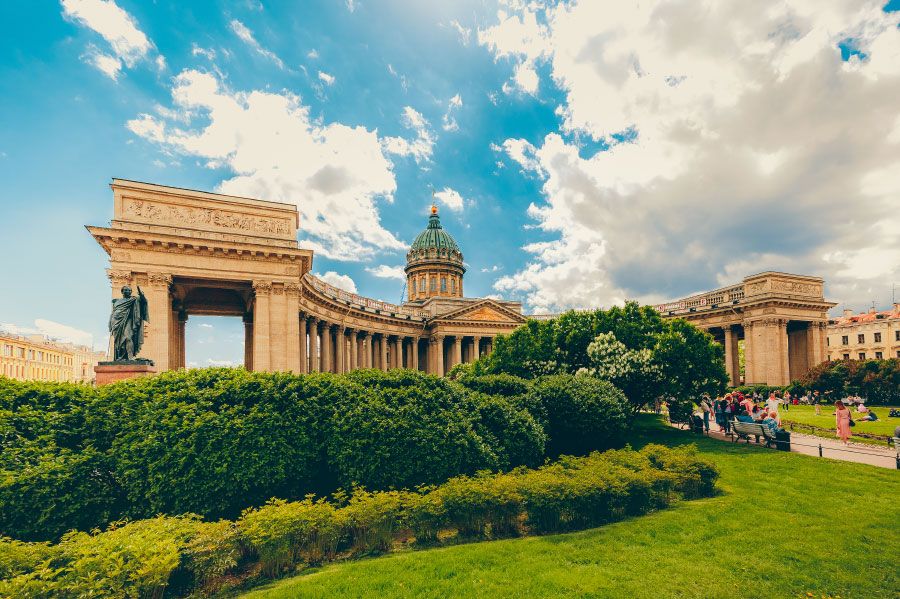
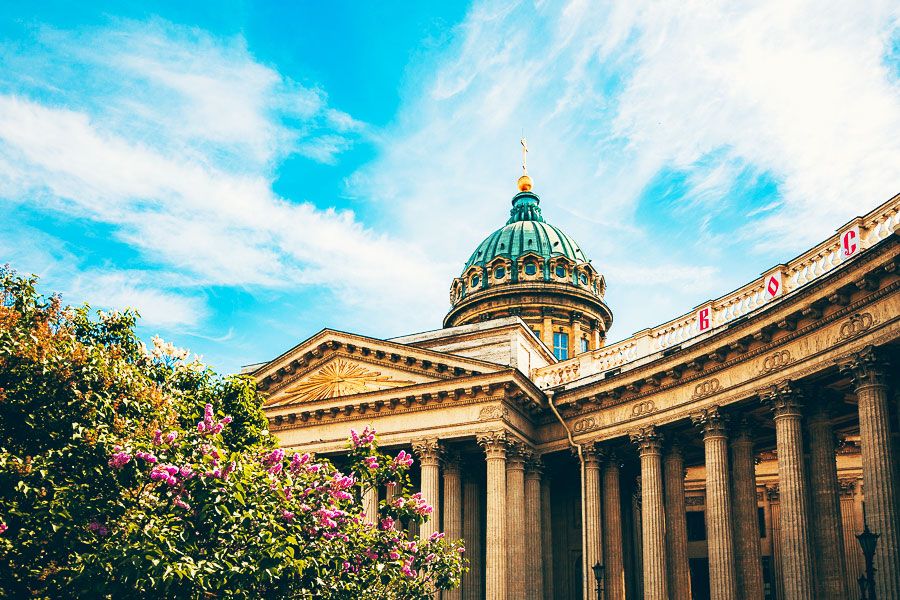
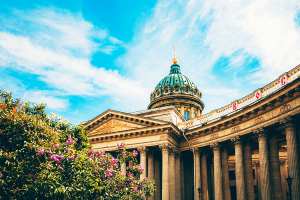
Kazan cathedral was designed by Architect Voronikhin in 1801-1811. The cathedral is one of the memorials of the victory over Napoleon in St Petersburg, and in front of the cathedral there are two monuments to the commander in chief of the Russian army Mikhail Kutuzov and the deputy commander in chief Barclay de Tolly created by architect Orlovsky in 1837. Kutuzov, a prominent Russian general, was buried in the cathedral one year after the end of the war with Napoleon. Before the construction of St. Isaac's Cathedral, Kazan Cathedral was the main church of St. Petersburg, where official ceremonies and weddings of members of the imperial family took place. After the revolution of 1917, the cathedral was transformed into the Museum of History of Religion. Atheism. In the 1990s it was returned to the Russian Orthodox Church and today Kazan Cathedral is the main Russian Orthodox Cathedral in St. Petersburg. It is dedicated to the Mother of God of Kazan and the main sanctuary of the cathedral - the Kazan icon of the Mother of God, which was brought to St. Petersburg during the reign of Peter the Great. It is considered the guardian of our city.
Palace Square
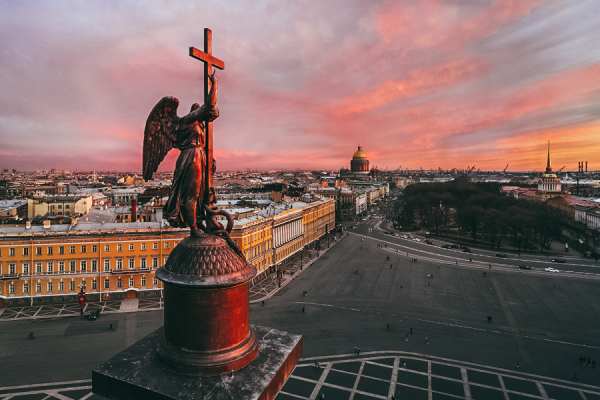
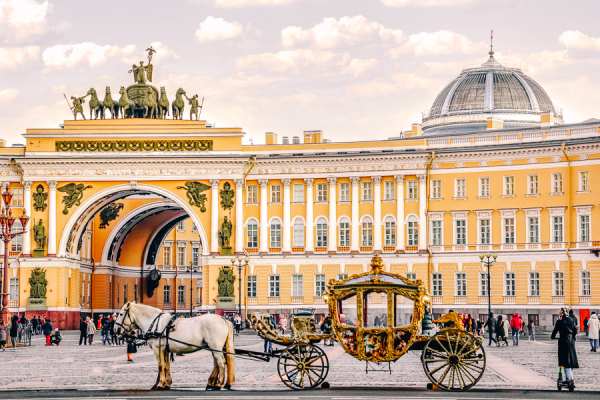
Palace square is the main square of St Petersburg. It is the heart of the city. The square is surrounded by the significant buildings for the history of Russia. The most remarkable of them is the Winter palace. The winter palace is the home of Russian emperors. Now the Winter palace is the part of the State Hermitage museum which ranks the top-5 largest museums of the world. In the middle of the Palace square is the Alexander column (arch. Montferrand, sculptor Orlovsky), 1834 famous for its design features. It is one of the tallest monolithic columns in the world (47,5 m or 154 feet tall). It weighs 600 tons but it is not fixed to the pedestal in any way – it stands only under its own weight. The column is named after the Russian Tsar Alexander I. The angel on the top of the column is the symbol of peace that came to Europe after the Napoleonic wars. Opposite The Winter Palace, a horseshoe shaped pale yellow and white building with an arch in the centre, is The General Staff Headquarters of the Russian Army, designed by the architect Carlo Rossi in the Empire style (1829).
Spit of Vasilievsky Island
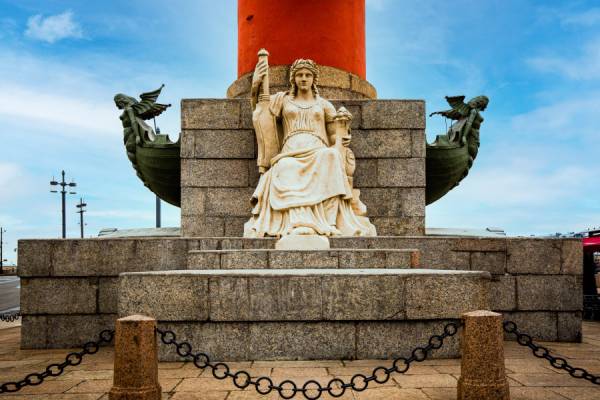
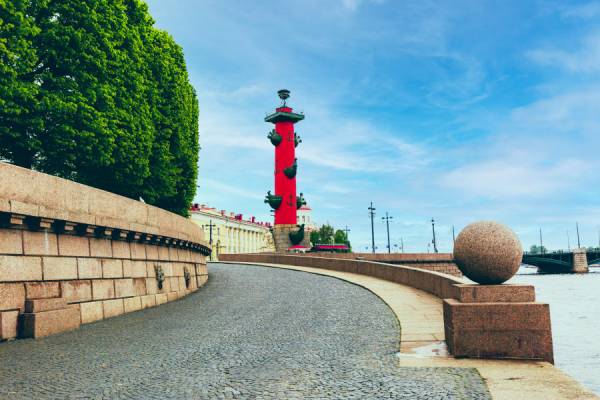
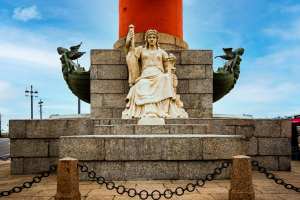
The Spit of Vasilievsky island is one of the best photo stops is the city. From this point the beautiful panorama of the city scape can be seen. You can take the breathtaking photos of the Winter Palace Peter and Paul's fortress Troitsky bridge. From the times of Peter the Great and until the middle of the 19th century this place, which is called The Spit of Vassily Island, was the harbour of St. Petersburg. Although all the buildings, which had been constructed here to cater for the needs of the port, lost their original significance, this place remains one of the most impressive architectural ensembles in our city. The central building, which looks like an ancient Greek temple is the former Stock Exchange. In front of the Stock Exchange there are two red towers which are called Rostral ColumnsW Nowadays torches on the Rostral Columns decorate the city on special occasions and during national holidays.
Peter and Paul's Fortress
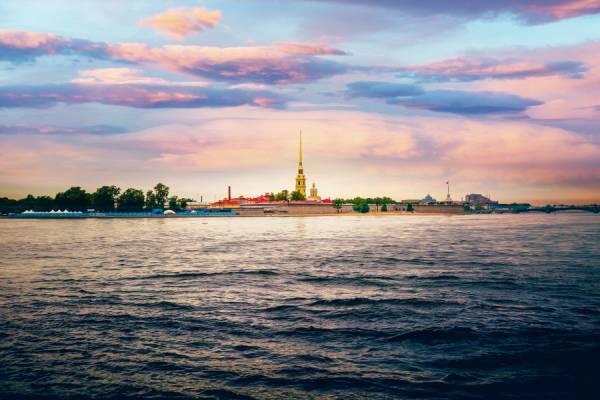
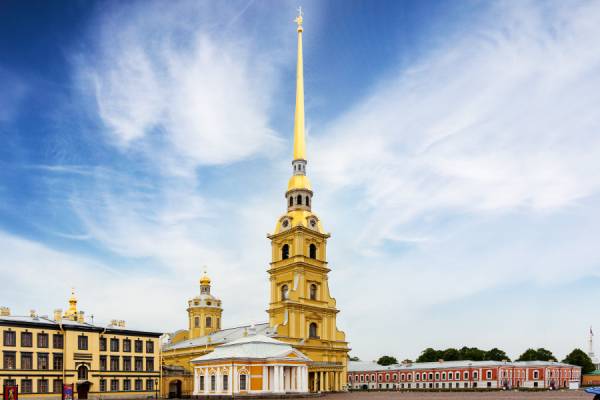
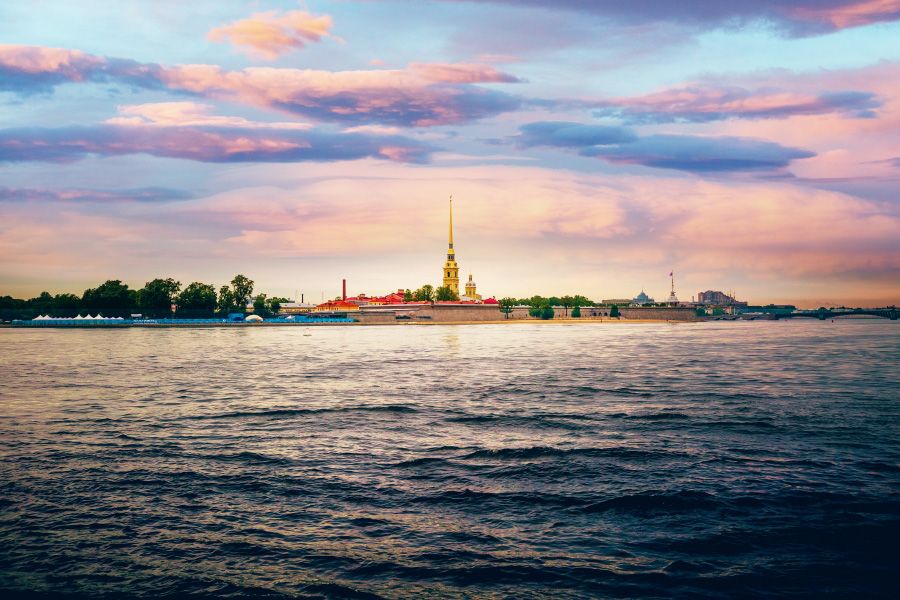
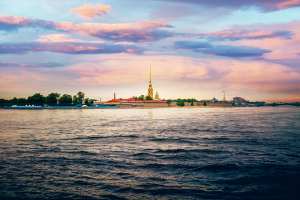
Peter and Paul's fortress is the place where the history of St Petersburg city began. The fortress was founded in May, 1703 as Russia’s stronghold against the Swedes. In the center of the fortress there is a very tall golden spire – that is St. Peter & St. Paul’s Cathedral, one of the oldest and definitely the tallest historical building in our city – it is 122,5 m( about 400 feet) tall. It is known not only for its interior decorations but also as the burial place of the Russian royal family. Peter the Great was the first Romanov tsar who was buried there.
Saviour on the Split Blood
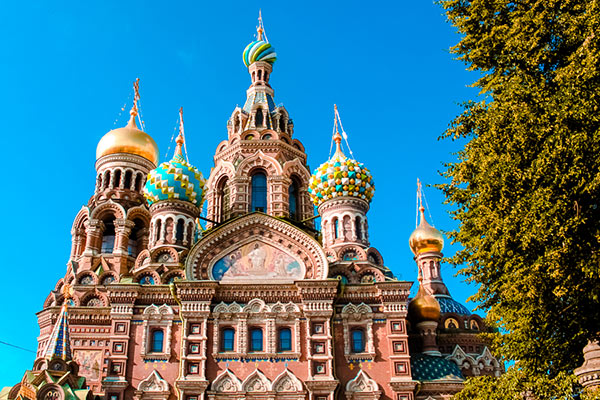
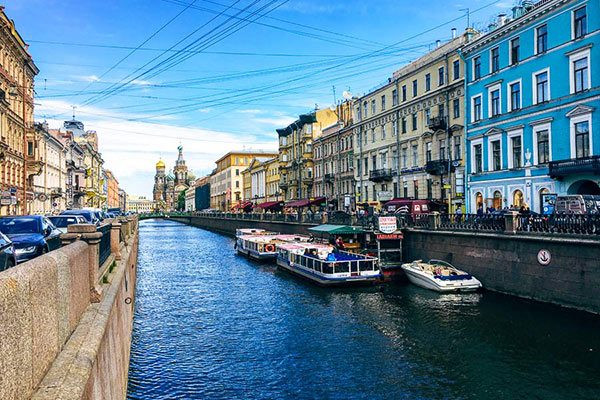
Saviour on the Split Blood (arch. Parland, 1883-1907) was build exactly over the place where on 1 March, 1881 . On the following day after the assassination, a chapel was built over Alexander II’s blood to commemorate the event, and, later, the construction of this church began. It was to become a memorial to Tsar the Liberator, so it took a long time to discuss, adopt and realize the project. The main idea was that the church was supposed to be in the Russian style: colourful brickwork, traditional onion shaped domes and a lot of mosaics. In 1907 it was consecrated as the Church of the Resurrection of the Saviour but later it became known as The Church on the Spilled Blood. In the 1990s it was restored and now it is a museum.